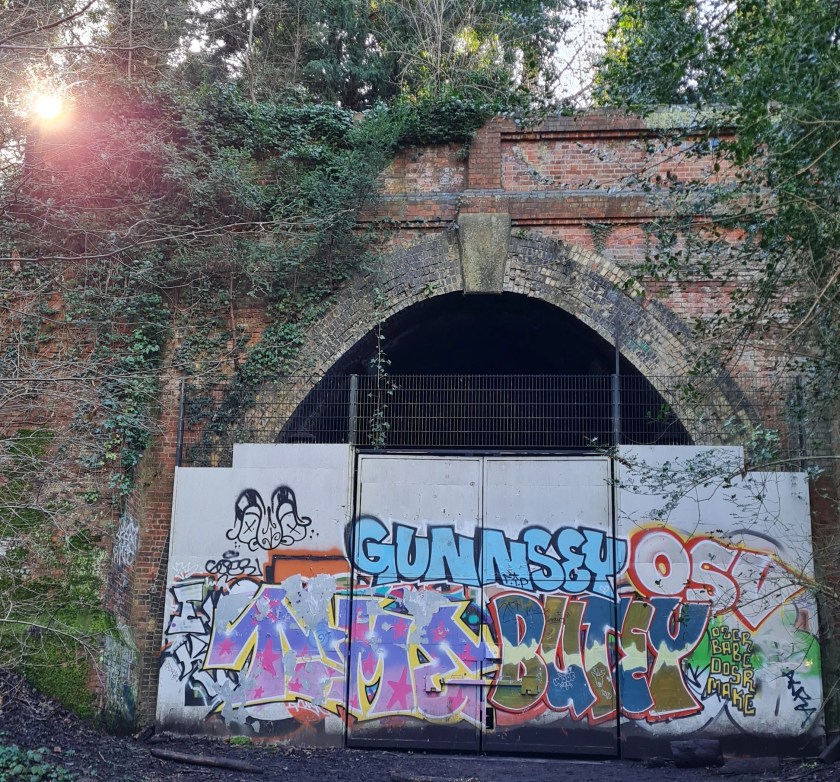
For as long as I can remember, I have always been interested in the railways, in particular where the railway touched, that have long since been forgotten, from abandoned London Underground and mainline railway stations, to whole lines which connected smaller towns and settlements for both industry and passenger use. A few weeks ago, I took advantage of a sunny day off to explore one of London’s abandoned railway lines, the Crystal Palace and South London Junction Railway, following the route of the track bed and hoping to find some remnants that can be seen today. I was not disappointed. The starting point of the branch line was in Crystal Palace, South London, as I searched for Crystal Palace (High Level).
The second station in Crystal Palace, Crystal Palace (High Level), imaginatively named for its location up the hill from the existing station, which itself was later known as the equally imaginative “Low Level”, was the terminus of the branch line which connected up at Nunhead and into Peckham Rye. Built by the London, Chatham and Dover Railway in 1865 in order to steal passengers visiting the Crystal Palace from one of its rivals, the High Level station was as grand of architecture and design as the one down the road. However, passenger numbers declined heavily for both when the Palace was destroyed by fire in 1936, leading to the abandonment of bay platforms in the still active Low Level station, and the permanent closure of the High Level station and its branch in 1954.

Though the station was completely demolished in the early 1960s, the footprint of the grand station can still be seen by heading down Farquhar Road. Large arches form part of the retaining wall down one side, and an ornate subway used to be accessible, which would have taken passengers directly from the station to the Crystal Palace, without needing to spend energy going up and down the hills on either side of the main road. The subway is currently being renovated by the Friends of Crystal Palace Subway (cpsubway.org.uk) so it can be enjoyed by future generations – images on their site show the grandeur of this structure, and I look forward to exploring it one day. The most exciting remnant of the Crystal Palace (High Level) station for me is the southern portal of the 401m Paxton Tunnel, which can still be seen, now in the corner of a housing estate – though boarded up, you can see that the quality and design features of the High Level station extend to the brickwork of this tunnel portal.

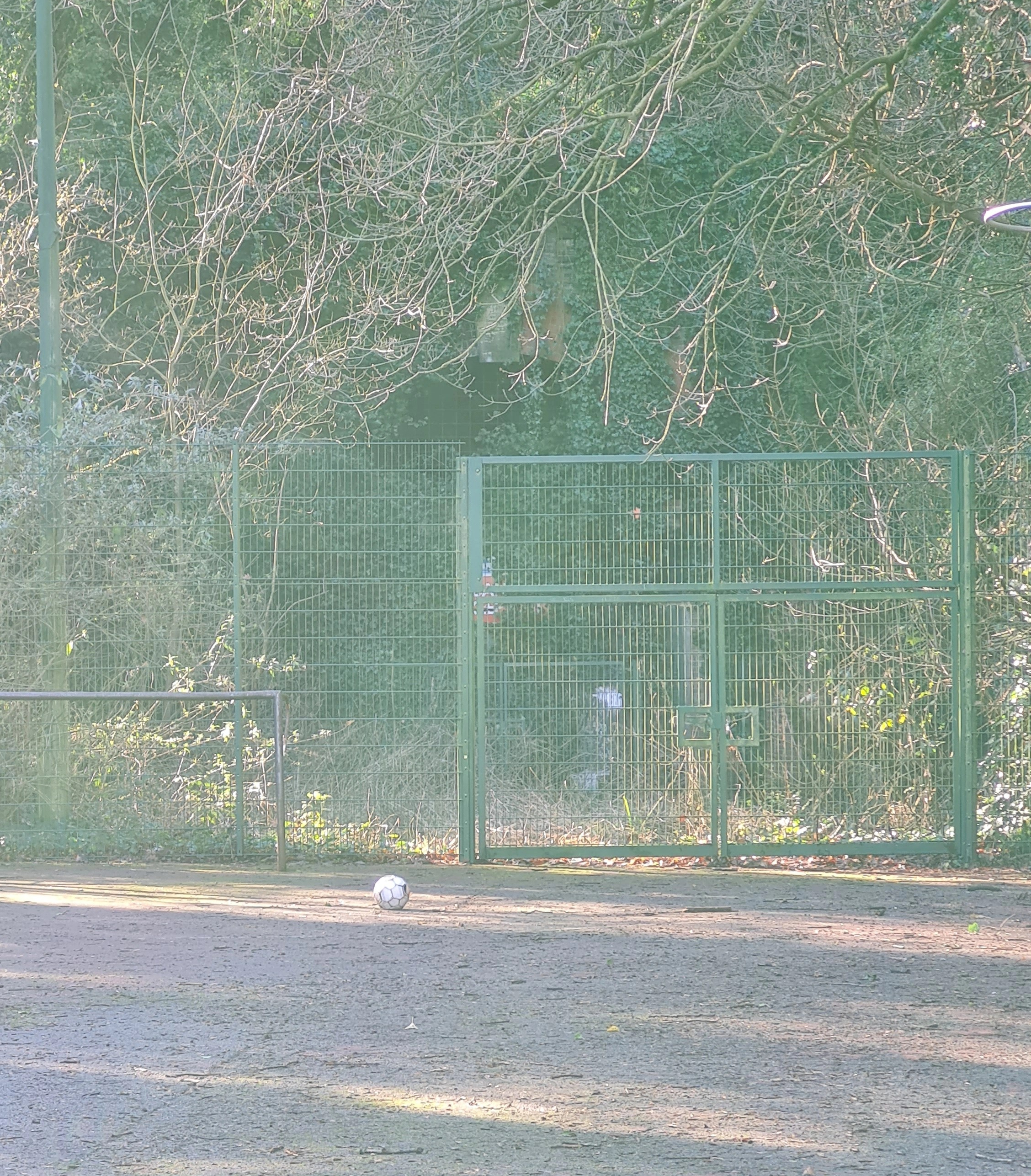
A word of warning to anyone wishing to emulate this walk; as the line used tunnels and deep cuttings, there are a lot of hilly sections for which sensible footwear is recommended. The journey to the northern portal of Paxton Tunnel is one such example. This can be seen by going down the aptly named Westwood Hill and Gradient Drive, which leads to another housing estate. Like all tunnel portals on this branch line, this one is heavily overgrown in addition to boarded up, and is situated behind a concrete football pitch. As visitors to the Crystal Palace were less likely to see this portal compared to its counterpart near the High Level station, its less detailed design makes sense, but is a shame to see it in such a condition. Another fairly lengthy and hilly walk, involving heading back out of the estate and up the hill, down another hill off the main road and then going up the longest constant uphill road of the walk, leads to the first intermediate station of the branch line, Upper Sydenham.

There have been five stations serving the area of Sydenham over the years, with all but Upper Sydenham surviving to this day. Even though the station was closed with the branch in 1954, it was poorly used before then. Though there have clearly been several housing developments in the vicinity since the 50s, the station site remains strangely isolated to this day. You would think that there would be nothing left of this poorly served station, but the former station house and booking office still remains as a private residence. Signage for the Green Chain Walk, which spans 52 miles and over 300 open spaces and sections of woodland, actually takes you down some stairs and down the side of the house’s drive. Taking more stairs leads you into the ancient Dulwich Wood, which was lovely. It was at this point that I questioned my own footwear, with the path becoming extremely muddy; I was thankful for the handrail along one side of the descending path. Looking to my left between the trees at the old station house, there were traces of the path that led down to the platforms. As this was a private property, I had to deviate from that and take the even more muddy and slippery slope down to the platforms of Upper Sydenham station, and was surprised to find another boarded up tunnel portal, this being the Crescent Wood tunnel, which trains would enter immediately after leaving the station. I found this even more of a gem than the Paxton Tunnel, possibly due to its seemingly forgotten location in the middle of an ancient wood.


Heading back up the slope and the steep path, the slippery mud finally took its toll on my balance! I was therefore grateful to be back on solid ground next to the station house. My next point of call was to find the northern portal of Crescent Wood tunnel, located in another lovely piece of woodland, Sydenham Hill Nature Reserve. Unlike the surroundings of the southern portal, this was far easier (and less muddy) to access. Signage around the portal informed me that the tunnel had been turned into a bat sanctuary. If not used by the railway or by the public, I am glad that it has a use in the 21st century, rather than falling into disrepair and abandonment. It may be because I could get right up to the portal, but this appeared bigger and grander than its counterpart. As an aside, if you are in South London, I would recommend walking some of the Green Chain Walk, which utilises ancient woodland and lovely spots only just off the beaten track. More information can be found on Transport for London’s website (link here). Leaving the nature reserve and tackling another hill (thankfully downhill) provides some stunning views across the City of London, as I approached the next intermediate station on the branch line, Lordship Lane.

As with Upper Sydenham, Lordship Lane had very limited numbers of passengers in the decades leading up to the line’s closure. Unlike Upper Sydenham though, there is nothing left of the station building and platforms. The line ran on an embankment and on a bridge over what is now the busy A205 – a remnant of the embankment can be seen across the road. You can walk this section for half a mile, now known as the Horniman Nature Trail, which runs parallel to the Horniman Museum and Gardens, and imagine steam and later electric trains on this section easing out from or braking on approach to Lordship Lane. I chose to walk through the beautiful Horniman Gardens and then back down the railway embankment, towards Lordship Lane. Taking the road on the right a few metres along the A205, Wood Vale, which runs parallel to the railway track bed, past Camberwell Old Cemetery and, after ten minutes of walking, I was at the final intermediate station of the branch line, Honor Oak.


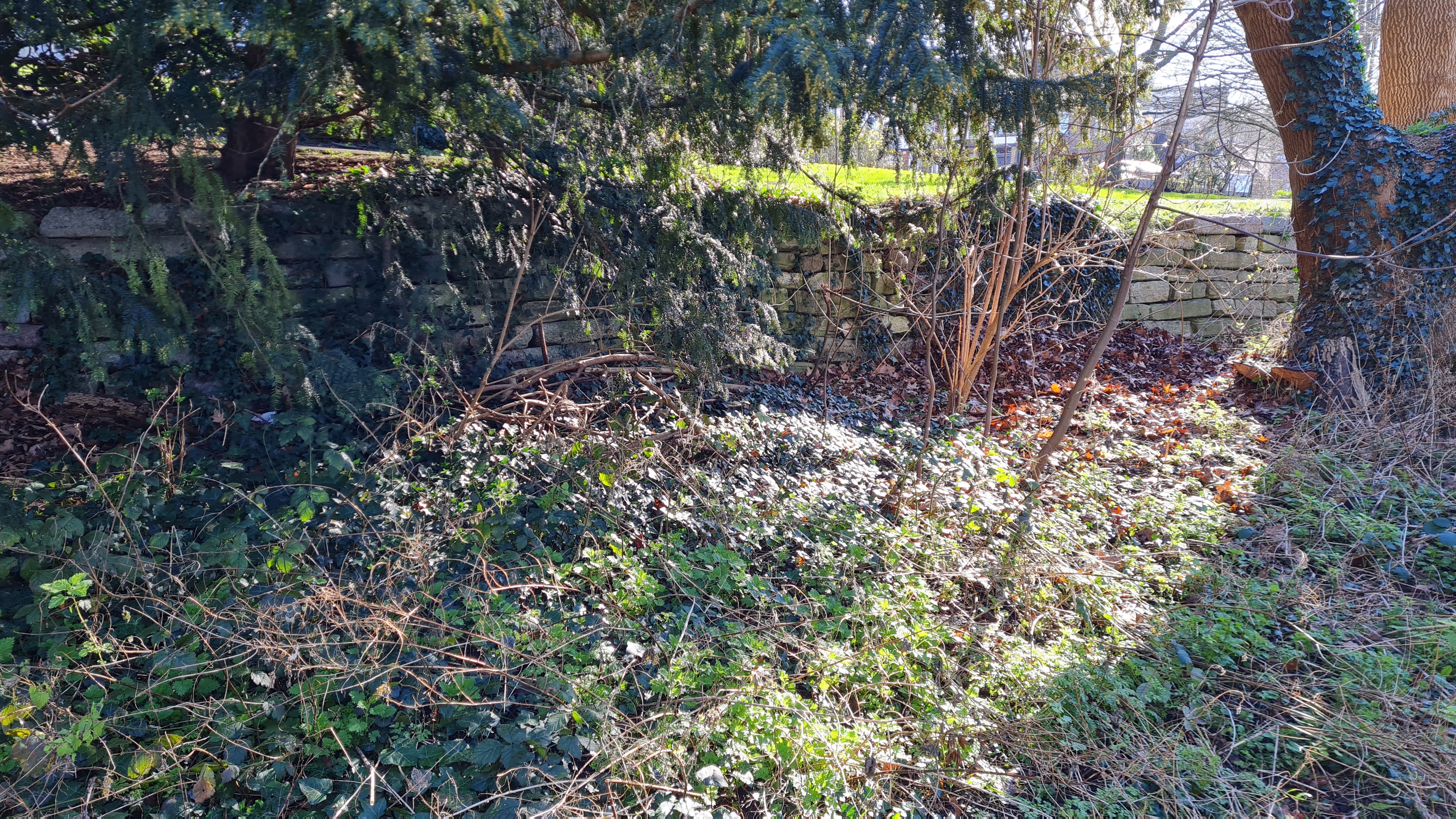
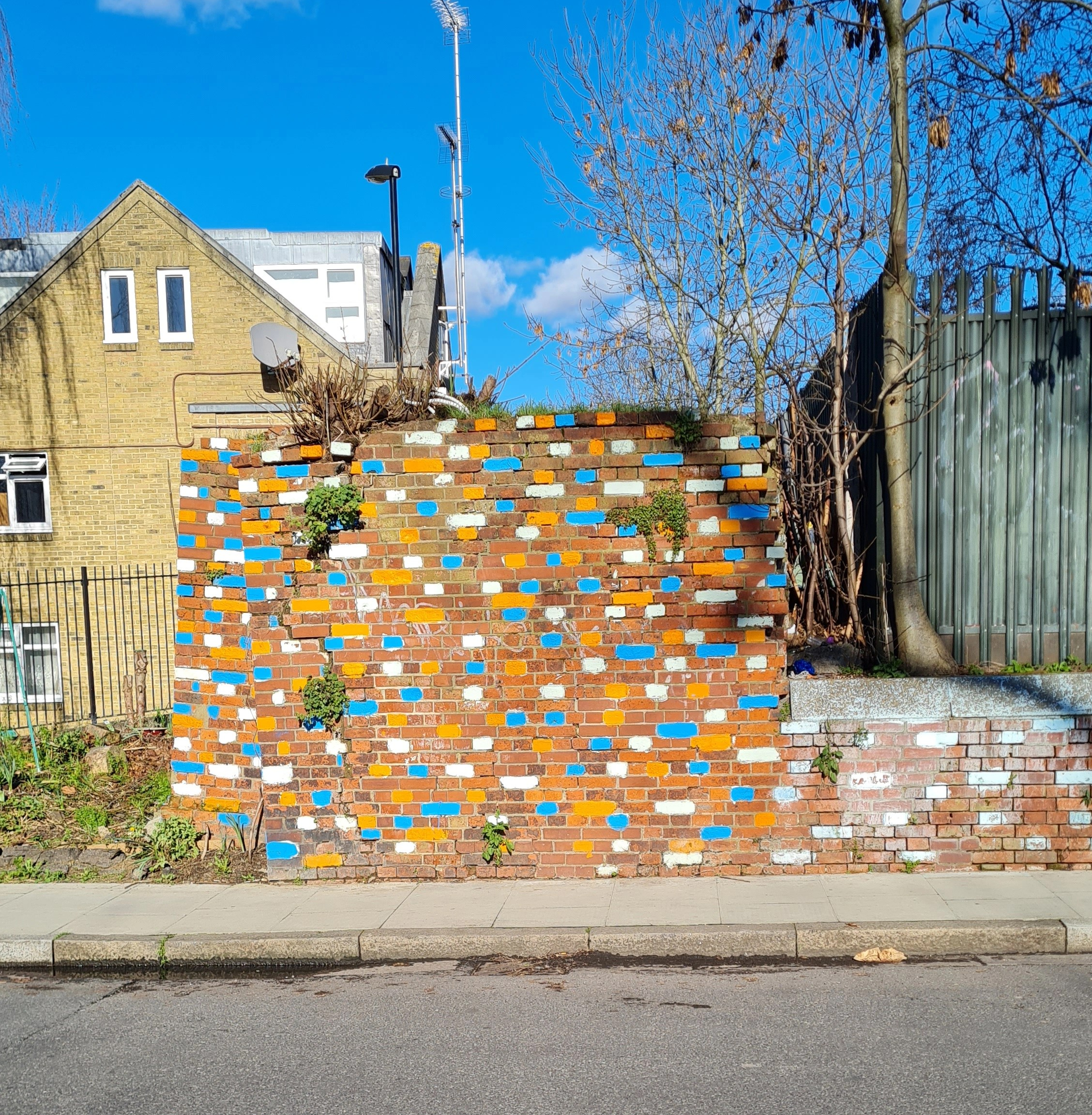
Unlike Crystal Palace (High Level), Honor Oak was the first station in the area to take the name, which meant a station built 20 years after had to take an alternative name, that being Honor Oak Park, which survives to this day. As the footprint of the station is situated in the back of a large housing estate and research informed me that there was nothing left of the crude wooden platforms and small shelters, I did not investigate further, aside from taking a picture of where I believe the railway went through. It was at this point that the guide I was following told me to end the walk and head to Honor Oak Park, but I decided to head on to where the line would have connected with the surviving line just south of Nunhead station. The railway would have headed through what is now the lovely Brenchley Gardens. Taking the much muddier route led me along what I believe was the old alignment, as suggested by the old looking masonry along the side of the path. This was the last walkable part of the branch line, but I followed the road running parallel to the still surviving raised embankment, part of a housing estate. Approaching a road junction, I was happy to find remaining brickwork which would have formed part of the bridge over the road, painted by the nursery which stood next to it. I followed the path next to the embankment, which was built on by yet another housing estate, until I faced the dead end of a private gated estate, which would have been where the branch line met up at Nunhead, at which point I finished my walk.
The Crystal Palace and South London Junction Railway closed due a lack of passengers, especially when the Crystal Palace was destroyed. Walking the route of the branch line even today, there is a sense that the stations were either in areas where there were already those with better connections present (Sydenham, Crystal Palace), or were in locations with a lack of housing development. I would recommend an exploration of this line, especially the first half between Crystal Palace and Lordship Lane, as it takes you through some lovely green spaces and you can get up close to some brilliant tunnel portals – just remember to bring sensible footwear!
 The Blogging DJ