
When I was 8 years old, I watched my first ever Doctor Who story. It was a VHS copy of the Jon Pertwee adventure ‘The Sea Devils’. That was my first foray into the classic run of the show, which first aired back in 1963.
Doctor Who is a British science-fiction TV show for the family market. The premise is centred around the adventures of a humanoid alien called The Doctor, who travels across time and space. Over the years, it has been a staple of the hotly contested Saturday evening slot. It had two distinct eras: the classic era (1963 – 1989) and the revival era (2005 – present).
For many people in my generation, their first exposure to the show was the show’s revival in 2005. Whilst I loved the revival era (especially the early seasons), I have a special fondness for the classic era. It managed to awe and terrify fans in equal measures, often on a limited budget. Alien planets and historic societies were brought to life through set design, practical effects, and the viewers’ imaginations. Showrunners and writers of the revived series quote the classic era they watched as children as inspiration.
In 2023, Doctor Who celebrated its 60th anniversary. To commemorate this, the British Broadcasting Corporation released many classic stories on its streaming platform. This included every story in Season 2, which aired between 1964 and 1965.
This season saw several changes in its cast and crew. Behind the scenes, David Whitaker left his role as Script Editor after the second story. His replacement, Dennis Spooner, himself departed before the season’s end, replaced by Donald Tosh. There was a greater variation of stories and tones than in Season 1, to keep the show fresh. Whilst Season 1 was fairly consistent in tone, Season 2 ranged from the comedic to the epic.
The primary cast undergone several changes, after remaining unchanged throughout Season 1. Carole Ann Ford, who played The Doctor’s granddaughter Susan Foreman, departed at the close of the season’s second story. Maureen O’Brien joined the main cast in the following story as Vicki, a similar character archetype to Susan. Before the season had ended, there had been further cast changes. William Russell and Jacqueline Hill, who had played the audience surrogates Ian Chesterton and Barbara Wright, also departed. Peter Purves, who made a guest appearance as Steven Taylor in Russell and Hill’s last story, replaced them. William ‘Bill’ Hartnell reprised his role as The Doctor for the entirety of this season.
Below is my ranking of every Season 2 story, from least favourite to favourite.
9. The Web Planet
My least favourite story of the season ultimately fails in its premise, but not for the lack of trying. This was the most ambitious project of the show to date. It featured an alien planet, four non-humanoid alien species and experimental special effects. The script emphasised the struggle for control of the planet Vortis, with the time travellers caught in the crossfire.
This was the story which required the most imagination on the part of the viewer. Two of the alien species were clearly people in uncomfortable looking costumes. The alien planet was barren, aside from a few elaborate sets. I actually like that this story challenges viewers to use their imaginations. The hokey costume design adds charm to what could have been a very straight-laced and cold sci-fi story. I think that the crew’s ambition should be commended as pushing barriers.
Why The Web Planet is my least favourite story of the Season has nothing to do with its appearance. Its major failure lies more so in the script and pacing. Part 1 is by far the most effective, introducing a mysterious world and its inhabitants. It has a somewhat disturbing scene of Barbara being dragged from the safe haven of the time machine.
But, once we meet the planet’s inhabitants, the story goes nowhere. The time travellers are held prisoner, whilst a second alien species is preparing an ambush. If this sounds like the brilliant Season 1 story The Daleks, you’re not alone. But, that had an iconic race of villains, claustrophobic sets and an effective race-against-time motif. The Zarbi, the ant-like henchmen, are nowhere near as menacing as The Daleks, mostly because they do not talk. The butterfly-esque Menoptera, meanwhile, talk like they are high as kites. The villain of this story is fine, though suffers from how repetitive the plot is in the middle third. The Doctor must visit the Animus on 2 or 3 occasions before the climax.
I love the ambition of this story, but this plot could have easily been condensed into four parts. This was the only story of the Season that I really struggled to get through.
Rating: 4/10
8. The Space Museum
Whilst I have a more negative reaction to The Web Planet, The Space Museum is this season’s biggest disappointment. Part 1 is one of the strongest openings to a story of the whole season. After jumping a time track, the time travellers arrive in the titular space museum. They cannot be seen or heard by anyone else, and their tracks through the dust are leaving no footprints. Dropped glasses reform in their hands and periods of time are missing from their memories. This culminates in an excellent cliffhanger, where the quartet sees their future selves frozen in glass cabinets.
I love what this opening part does with the premise of time travel. It feels fresh, and creates huge intrigue for the rest of the story. This is the time travellers’ futures, and somehow they must fight to prevent this future from passing. Aside from the premise, I love that there are several fun cameos displayed in the museum. This includes a shell of a Dalek, hinting at the species’ return in the next story.
But once time reverts to normal, all of the intrigue almost instantaneously disappears. It becomes very apparent that this is another very cliched and generic plot. Once again, there is an oppressor and an oppressed race. Once again, there is an attempt to overthrow the oppressors. Only in this story, all parties are essentially humans. So, it descends into a bunch of guys shooting each other in bland corridors. The plot is extremely derivative, especially since The Web Planet was only two stories prior. Also, for the rest of the story, the museum is essentially window dressing.
After an excellent opening, this story becomes as lifeless as one of the museum’s displays. I only recommend watching Part 1.
Rating: 5/10
7. The Crusade
The middle of this season was clearly a struggle, based on these rankings. Sandwiched by The Web Planet and The Space Museum, The Crusade is very run-of-the-mill. This is unusual, as I have generally been enjoying the historic Doctor Who stories. (This is a spoiler, but the other two historical stories are ranked much higher.) But here, it feels like the writing team are running out of ideas and reverting to the same tropes.
The premise is that the time travellers arrive in 12th century Jaffa (now Israel) at the height of the crusades. After Barbara gets predictably kidnapped by the Saracens, the other time travellers meet with King Richard I. One positive I can give this story is that it is more nuanced than two opposing sides coming to blows. The Doctor and Vicki become embroiled in the marriage plans Richard has for his sister Joanna. The kidnapped Barbara is persuaded by an English knight to masquerade as Joanna. To buy time, she intended to tell the leader of the Saracens, Saladin, stories from future literature.
There are other interesting writing choices. I like that there is no cathartic ending; the time travellers leave without accomplishing much. I also found the portrayals of Richard and Saladin nuanced for a British TV show. They could have easily portrayed all the Saracens as villains and called it a day. Instead, the characters feel naturally flawed, and that makes for a more interesting story.
But, this is ultimately another story which feels derivative. This one has more than one similarity to previous historic stories. The villain is again an emissary who plots deviously in the shadows. However, El Akir is less impactful than Marco Polo‘s Tegana. Also, there is a side-plot where The Doctor steals clothes from merchant. Bill Hartnell gets to reprise The Doctor’s playful side, but we have seen this plot in The Reign of Terror.
It’s not the worst story this season, and there are some things to appreciate. It just makes me wonder whether the purely historical stories stopped being produced due to a lack of new ideas.
Rating: 6/10
6. Planet of Giants
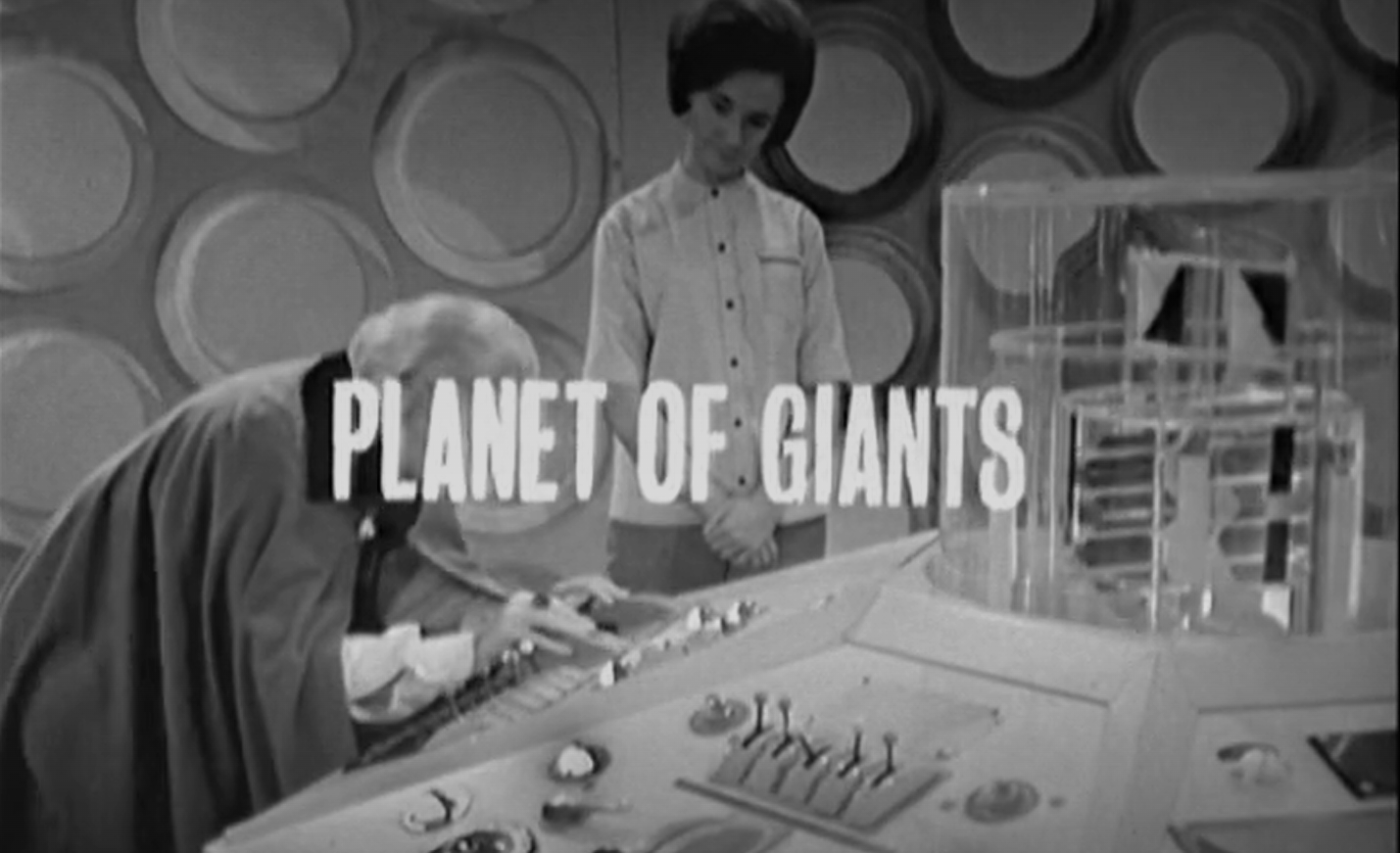
This season has high insectoid aliens, high jinks in Emperor Nero’s Rome and a chase through time and space. Next to these, Planet of Giants still manages to be one of the weirdest stories Doctor Who has done. The Doctor’s time machine fails, which sees him and his companions shrunk to a few inches in height. In their miniaturised forms, they are faced with a dastardly threat: a house cat. Barbara gets poisoned by insectide and doesn’t tell the others until she falls seriously ill. Meanwhile, in the background, there is a plot involving environmentalist politics, espionage and murder. This plot was a hot mess, and very un-Doctor Who. That this was an initial idea for the show’s FIRST EVER STORY is baffling.
This story only really succeeds if you manage to suspend disbelief. Ignore how the elderly Doctor manages to scale a drain pipe, the equivalent of a several hundred metre cliff face. Ignore how the miniaturised adventurers manage to lift a telephone receiver using corks. Just accept the vision that the writers and crew have set before you. I honestly think the premise is crazy for Doctor Who, but brilliant at the same time.
The excellent set design brings the absurd plot to life with a degree of realism, which should be commended. Some of the props, including the giant matchbox and insects, look pretty good on film. Where the visuals lack is in the obvious use of screens. One scene sees the cast approach the face of a dead man, and it does not look good. I’m not even sure these would have looked good to viewers back in the 1960s.
You may think that, based on the above, this sounds like a romp of an adventure. But, honestly, it was not as fun as it could have been. Between the serious environmental tones and Barbara’s illness, the tone is more sombre than an embrace of the bonkers. It was also cut in length between production and airing, from 4 parts to 3. It’s not a good endorsement of your plot when a quarter is removed.
Despite being the first story of the season, this is complete filler, and can easily be skipped. Its bonkers plot and the great set design are the only things keeping it this high in the rankings.
Rating: 6/10
5. The Rescue
The Rescue is predominately this high in the rankings because it introduces Vicki, and she is awesome. Essentially a like-for-like replacement for Susan, but more interesting, fun and heroic. Maureen O’Brien does an excellent job this season with the character, from her beaming enthusiasm to her more contemplative moments. She is especially great when paired with Bill Hartnell’s Doctor, the two bouncing off each other effortlessly. I love the pair’s relationship this season, especially in The Romans. I also like that she gets off to a rocky start with Barbara due to a misunderstanding.
Yes, this two-part adventure is essentially just a vehicle to introduce Vicki, but it is effective in its simplicity. Landing on the planet Dido, the time travellers come across a crashed spaceship. Its inhabitants, the sick Bennett and the young Vicki, are being menaced by the evil Koquillion. The identity of Koquillion is heavily signposted and will come as a surprise to very few viewers. Once Koquillion is vanquished, and with nowhere else to go, Vicki accepts the Doctor’s invitation to travel with him.
I enjoyed watching this, mainly because of the characters. Vicki is well-layered and has some great interactions with the main cast. I liked that she did not immediately trust the Doctor, as he made assumptions about her experiences. Her switch to fully trusting the Doctor, Ian and Barbara feels rushed. But, considering this story is only 50 minutes in length, the writers do just enough to satisfy. Not the most compelling story, but I liked its focus on character over plot.
Rating: 7/10
4. The Chase
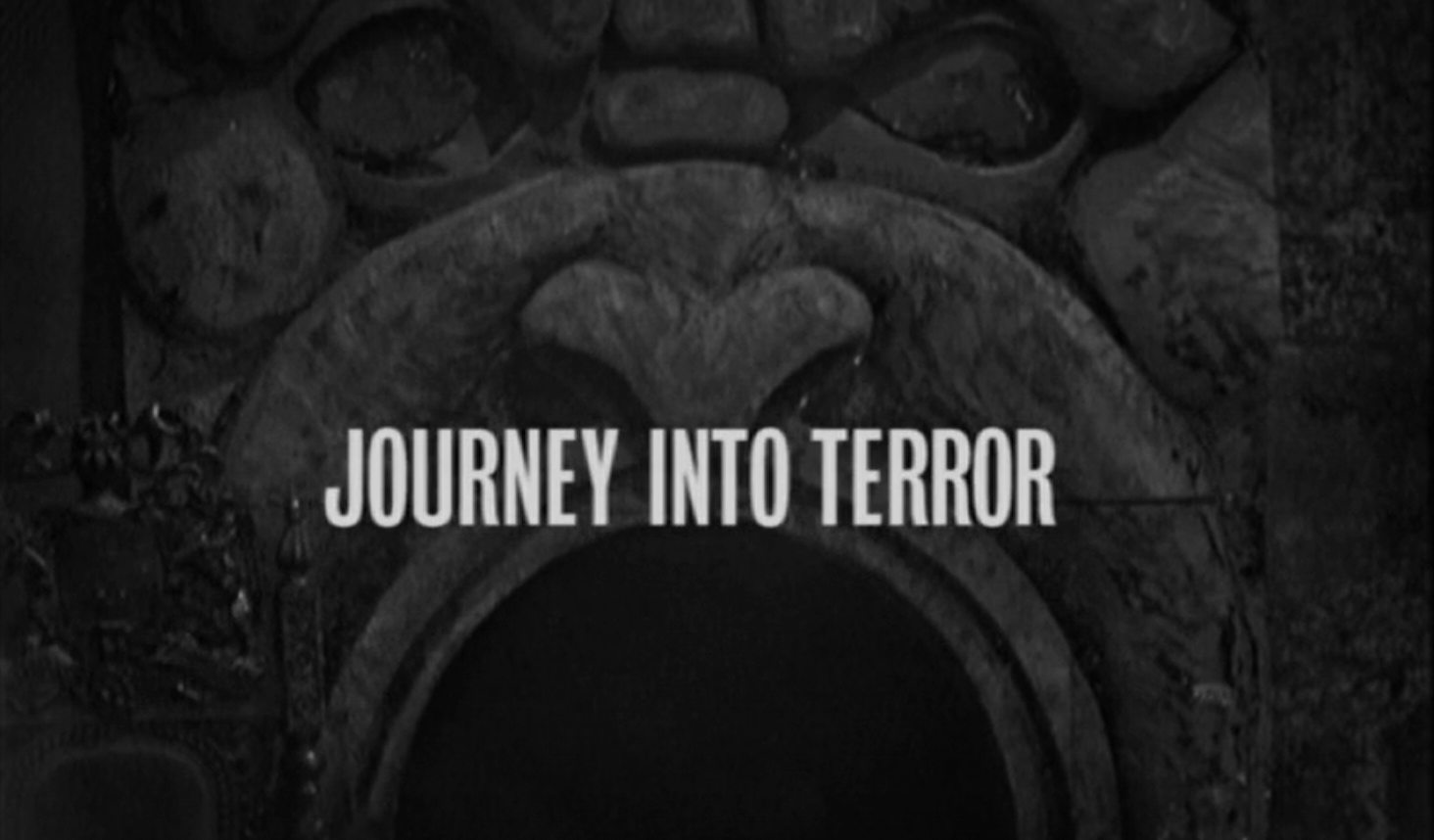
The Chase is a fun romp through time and space, as the travellers are pursued by the Daleks. This statement is only true for around half of this story’s runtime. That is a shame, because the parts featuring the actual chase are a brilliant mix of tension and comedy. The highlight is undoubtedly Part 4, ‘Journey into Terror’. Arriving in a mysterious old house, it becomes clear very quickly that this is a haunted house. The inhabitants include a suitably dry Count Dracula and a very strong Frankenstein’s monster. When these horror icons meet the Daleks, it is comedy gold. The iconic shot of Frankenstein’s monster tossing a Dalek over his head is my favourite moment of the season.
I love the middle third as we have no idea where the characters will arrive at next. At one point, they land on a ship, and the Daleks’ appearance forces the ship’s crew to abandon ship. The camera then brilliantly pans to the name of the ship: Mary Celeste. The words ‘absolute cinema’ spring to mind. There’s also a fun but brief skirmish at the top of the Empire State Building in New York. My only complaint is that a greater proportion of the runtime should have been dedicated to the titular chase.
Unfortunately, these scenes are sandwiched by two alien planets, Aridius and Mechanus. Out of the two, Mechanus definitely makes more of an impact. It is a sprawling jungle with mobile carnivorous plants. Standing hundreds of feet above the jungle on stilts is the Mechanoid City. The Mechanoids are robots which resemble giant Christmas tree ornaments and therefore are a perfect foil for the Daleks. It is on this planet that the Daleks decide to release a robot duplicate of the Doctor. This is a fun plot point, but it is distracting how unlike Bill Hartnell the duplicate’s actor looks! I also love the final set piece of the burning city, and the travellers climbing down to escape the inferno.
This is contrasted by Aridius, a desert planet, which suitably is a whole lot of nothing. The Aridians are a fairly interesting species, being aquatic as the planet was originally water-based. Their design is a bit low effort, but I do not hate how they look. They are fine here, as are the Daleks. The time travellers are taken prisoner at one point, and there’s an decent tunnel sequence. I just don’t think this story’s opening suitably sets up the brilliant chaos to follow. The first couple of parts are a slog to get through, but the quality is excellent after these.
Finally, this is the final story for Ian and Barbara. As the audience surrogates since the show’s start, like The Doctor, I will miss them. They get a great ending at least, very upbeat and fun, considering the destruction at the story’s close. Overall, this story has some great moments that had me beaming. I just wish that the first and final parts stuck the landings and weren’t such pace breakers.
Rating: 7.5/10
3. The Time Meddler
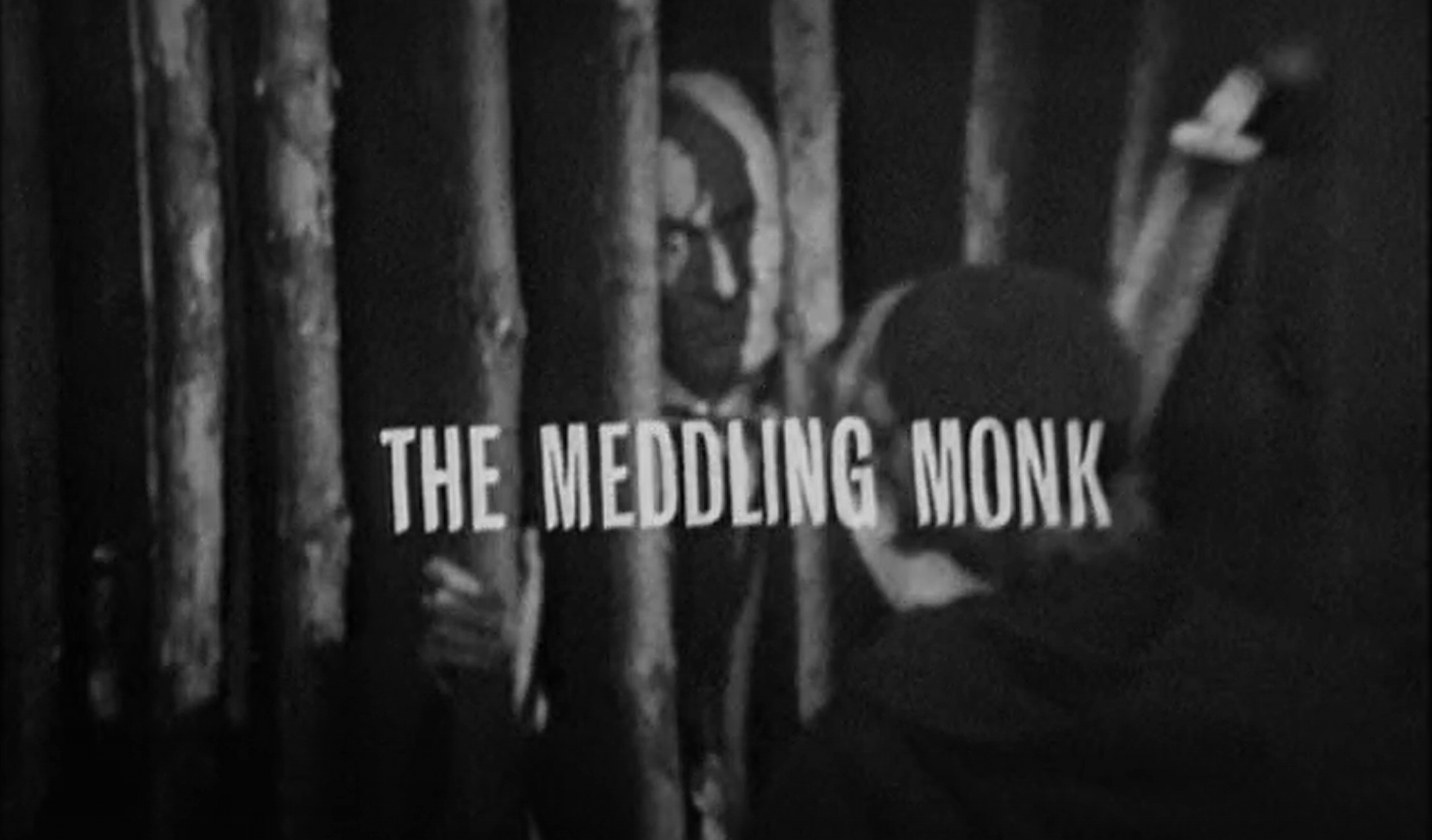
The Time Meddler concludes Season 2, and I think the season ends on a high note. The Doctor and Vicki (with Steven being a stowaway) land in England in 1066. This is a volatile time, as both the Vikings and Normans will soon invade the shores of England. But another mystery is afoot; out-of-time artifacts are found, and a Monk seems to know what will happen.
This ranks high for me because it acts as both a good historic story and a good science-fiction story. Unlike The Crusade, this story actively engages with its historic setting. There is an effective race-against-time, as the Viking invasion is days away. I like that the Doctor is trying to ensure that time progresses as know it. From the first season of the show, he sees himself as an observer rather than a participant in history. This therefore feels like a natural successor to that first season’s story The Aztecs. But, the pacing is stunted by the characters going back and forth between the Monastery and the village. Maybe we could have done with another set, or had the characters return to the beach more often.
This is the first historical story that actively includes science-fiction elements, aside from the pilot. The Meddling Monk is a perfect addition to this story, and gives the story an additional layer. He is the antithesis to Bill Hartnell’s Doctor. Initially he is portrayed as amusing in his pottering about with various modern and future technology. I share the Doctor’s amusement that he used a gramophone to play recordings of monks chanting. But, he quickly becomes menacing when his plan to change history is revealed. He represents an alternate version of the Doctor, one who misuses the power of time travel. Peter Butterworth puts in a great turn as the Meddling Monk, and I do hope he returns to the show.
After the historical stories were showing signs of fatigue, this story was needed. A great blend of the historic and the science-fiction, this was a definite success.
Rating: 8/10
2. The Romans
I do not think I have laughed so hard at a Doctor Who story as I did during The Romans. It is an absurd romp worthy of Shakespeare, played completely straight.
Immediately, the party is broken into two, and their fortunes couldn’t be more contrasted. The Doctor and Vicki, tired of their lazy companions, leave their villa to go on an adventure. On the road, the Doctor is mistaken for a famous (and very dead) musician, and fends off an assassination attempt. Barbara and Ian have less fun, being sold off as slaves. Barbara is sold to the court of Emperor Nero, and Ian to a ship owner.
Each one of the lead quartet get involved in their own escapades. Brilliantly, the two pairs keep missing each other, despite all being in Nero’s palace at the same time. Poor Barbara fends off the unwanted attentions of the spoilt man-child Nero. She spends much of the second half shrieking and running away from this Carry On stock character. Funnily enough, Derek Francis worked in the Carry On series, though not the one with Bill Hartnell! Vicki embraces her inner Arya Stark by inadvertently poisoning someone, after meeting the court poisoner. Ian is the lead in his own historical epic, which is perfect for this action-oriented character. As for the Doctor, his gleeful realisation that he caused the Burning of Rome was brilliant. The characters are in on the joke, which adds to the humour and absurdity of the romp.
There is no doubt that a story with this absurdist tone was a risk. Verity Newman wanted the show to push more boundaries, and nowhere was this more evident in season 2 than here. But this is more than just a comedy piece. I love the characters here, especially the Doctor and Vicki, who make a joyful and energised pairing. I also really like the set and costume design in how luxurious everything looks. It feels like all areas of the cast and crew went all out to convey Ancient Rome. A funny and heartwarming story that has some of my favourite character interactions. Definitely watch The Romans if you haven’t already.
Rating: 8.5/10
1. Dalek Invasion of Earth
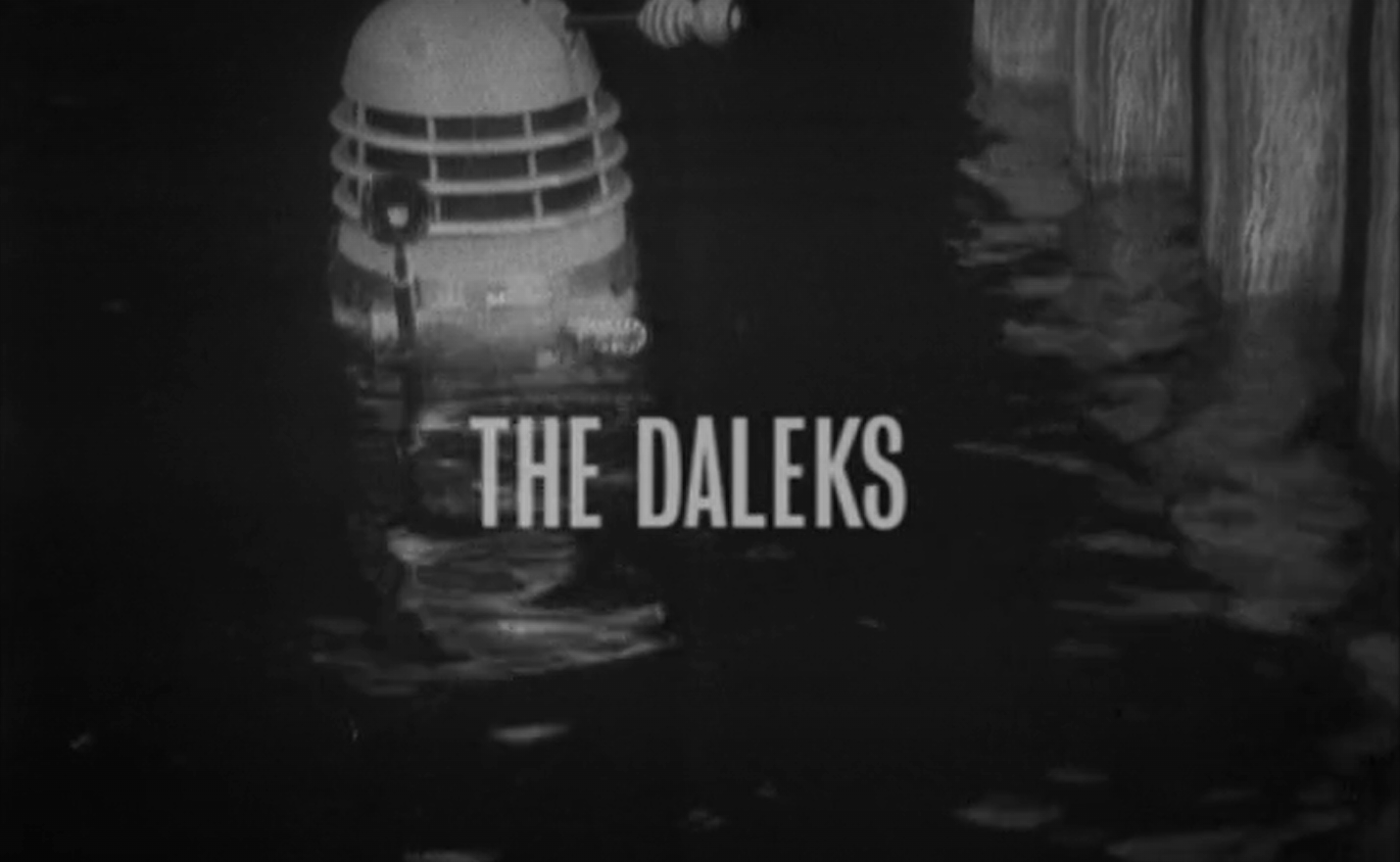
As brilliant as The Romans was, there was only ever going to be one story topping this ranking. Dalek Invasion of Earth is a purified concoction of everything which succeeded in the early seasons. The time travellers land in a deathly quiet 22nd century London, with not a soul in sight. That first part ends with an iconic image: a Dalek rising up from the Thames. Whilst we have seen stories set on Earth, this was the first time Doctor Who was brought to our world. The decision to bring back the Daleks, the breakout stars of that first season, was a brilliant touch. I think this story and its iconic imagery was the catalyst for the Dalek’s continued popularity.
The scope of this story is bigger than ever before. Whilst bigger journeys have been made within a story, this was the most epic. The travellers, split into three small groups, race up to the Daleks’ base of operations in Bedfordshire. Pairing each main cast member with a guest actor allows each to shine. I especially loved the van sequence involving Susan, which sees Daleks mowed down! The race-against-time motif is used brilliantly, as our planet Earth is on the verge of destruction as we know it. Each moment of progression for our heroes, and each push back by the Daleks, makes for an exciting struggle.
This story goes into history for another reason, as the first where a main cast member leaves the show. Carole Ann Ford’s departure as Susan was necessary, in my eyes. She was a shrieking damsel in distress, but also very alien in her behaviours. Compared to Ian and Barbara, I found it very hard to warm to Susan. However, her resigned anguish at being left behind with a love interest was brilliantly done, as was Bill Hartnell’s speech. The Doctor saying goodbye to his granddaughter may be the best acted moment of Bill Hartnell’s Doctor. He isn’t just reassuring his granddaughter, he is reassuring the young audience that the show will carry on. The show’s ability to evolve with new actors is key to its longevity.
If you have not seen a single story from Bill Hartnell’s Doctor, then I would recommend this one. The Daleks invading Earth, a race-against-time, great character moments, and an emotional climax. This is the amalgamation of all the good parts of early Doctor Who.
Rating: 9.5/10
What is your favourite story of Season 2 of Doctor Who? Do you disagree with my order? Feel free to leave a comment with your rankings!
If you would like to get notifications when new posts are published to The Blogging DJ, feel free to subscribe.
On top of ranking classic TV stories, I also review Doctor Who audio adventures released by Big Finish Productions. All my Doctor Who reviews can be found in the dedicated page, the link to which is below.
Doctor Who Reviews – The Blogging DJ
Previous series rankings:
 The Blogging DJ